Is Butter a Health Food?
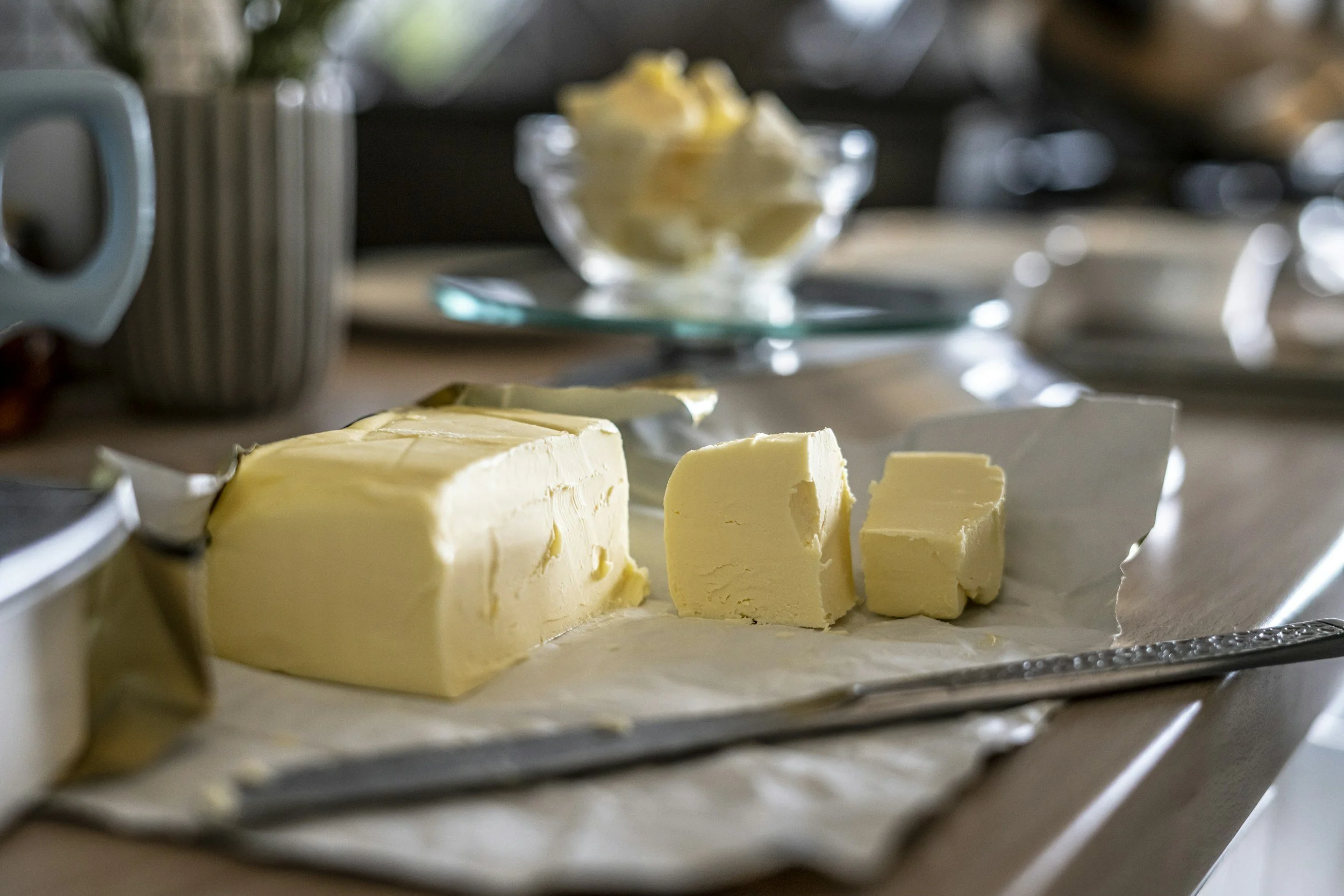
For decades, butter has been villainized. We were told it clogged arteries, caused heart disease, and should be replaced with margarine or “heart-healthy” vegetable oils. Many of us grew up believing butter was something to fear. Or at least strictly limit.
Even when I was in my master’s program studying nutrition, butter was not considered part of a healthy diet and it was taught as something to limit, replace, or even avoid in favor of “healthier’ fats. Saturated fat was the problem and butter was grouped with it.
But nutrition science has evolved. And so has our understanding of fat, metabolism, hormones, and inflammation.
So… is butter actually a health food?
The answer (as with most things in nutrition) is: it depends. Let’s break it down.
Why Butter Got a Bad Reputation
Butter became public enemy #1 during the low-fat era of the 1970s–1990s. At the time:
Saturated fat was believed to directly cause heart disease
Cholesterol was viewed as something to minimize at all costs
Butter was lumped into the same category as highly processed fats
Butter became a symbolic of “old-school”, unhealthy eating, especially when compared to vegetable oils and margarines that were marketed as heart-healthy alternatives. Ironically, many of these replacements turned out to be far more harmful than butter itself.
What Butter Actually Is
Real butter is made from cream and that’s it. High-quality butter (especially grass-fed) contains:
Saturated fat
Monounsaturated fat
Fat-soluble vitamins (A, D, E, K2)
Short- and medium-chain fatty acids
Naturally occurring compounds like butyrate and conjugated linoleic acid (CLA)
Butter is a whole, minimally processed food, especially when compared to refined seed oils.
Potential Health Benefits of Butter
1. Supports Hormone Health
Dietary fat is essential for hormone production. Cholesterol is the backbone of:
Estrogen
Progesterone
Testosterone
Cortisol
For women dealing with:
Irregular cycles
Low energy
Postpartum depletion
Hypothalamic amenorrhea
Chronic under-eating
Butter (as part of a balanced diet) can be a helpful tool, not a problem.
2. Provides Fat-Soluble Vitamins
Grass-fed butter is especially rich in:
Vitamin A → supports thyroid function, immunity, skin health, and fertility.
Vitamin K2 → helps direct calcium into bones and teeth (not arteries)
These nutrients are difficult to obtain in adequate amounts from low-fat diets. For example, vitamin A in butter is in the retinol form, which is already active. Grass-fed butter contains significantly more vitamin A than conventional butter. The yellow-orange color of grass-fed butter reflects higher beta-carotene intake by the cow. Low-fat diets and fat avoidance can inadvertently lower Vitamin A intake.
Also, grass-fed butter contains more K2 than grain-fed butter. K2 is highest in animals consuming fresh pasture. This is one reason traditional diets valued butter and dairy fats.
Butter also contains small amounts of Vitamin D and Vitamin E.
3. Contains Butyrate (Gut Health Bonus)
Butter contains butyrate, a short-chain fatty acid that:
Supports the gut lining
Helps regulate inflammation
Plays a role in immune balance
Interestingly, butyrate is also what beneficial gut bacteria produce when we eat fiber—so butter and plants can both support gut health in different ways.
4. Improves Blood Sugar Stability
Adding fat (like butter) to meals:
Slows digestion
Reduces blood sugar spikes
Improves satiety
This can be especially helpful for:
PCOS
Insulin resistance
Reactive hypoglycemia
Energy crashes between meals
What About Heart Health?
This is where nuance matters.
Large-scale research over the last decade shows:
Saturated fat intake does not automatically increase heart disease risk
Context matters more than a single nutrient
Butter consumed:
With whole foods
In adequate (not excessive) amounts
As part of a nutrient-dense diet
…is very different from butter consumed alongside ultra-processed foods, refined carbs, and chronic metabolic dysfunction.
For some individuals with specific lipid patterns or genetic considerations, butter intake may need to be personalized. But that’s very different from blanket avoidance.
When Butter Might Not Be the Best Choice
Butter may not be ideal if:
Someone has active gallbladder dysfunction
Fat digestion is impaired
There is a need for short-term therapeutic dietary adjustments
Intake crowds out other beneficial fats (olive oil, omega-3s)
This isn’t about demonizing butter. It’s about using it intentionally.
Butter vs. Margarine & Seed Oils
Let’s be clear: Butter vs margarine is not even a fair fight.
Butter:
Minimal processing
Naturally occurring fats
Contains vitamins
Many margarines and refined seed oils:
Are industrially processed
Can be oxidized and inflammatory
Contain additives and emulsifiers
If the choice is between butter and a fake butter spread, butter wins every time.
How to Choose the Best Butter
Look for:
Grass-fed when possible (higher vitamin content)
Minimal ingredients (cream + salt)
Organic if available
The color tells a story! Have you ever noticed that some butter is almost white, while other butter is deep yellow or even orange? Cheaper, conventional butter is often pale. Grass-fed and higher quality butter is typically yellow-orange. The grass-fed butter tends to contain more vitamin A, vitamin K2, a different fatty acid profile, and higher levels of beneficial compounds like CLA. Butter from cows fed mostly grain simply doesn’t offer the same nutrient density.
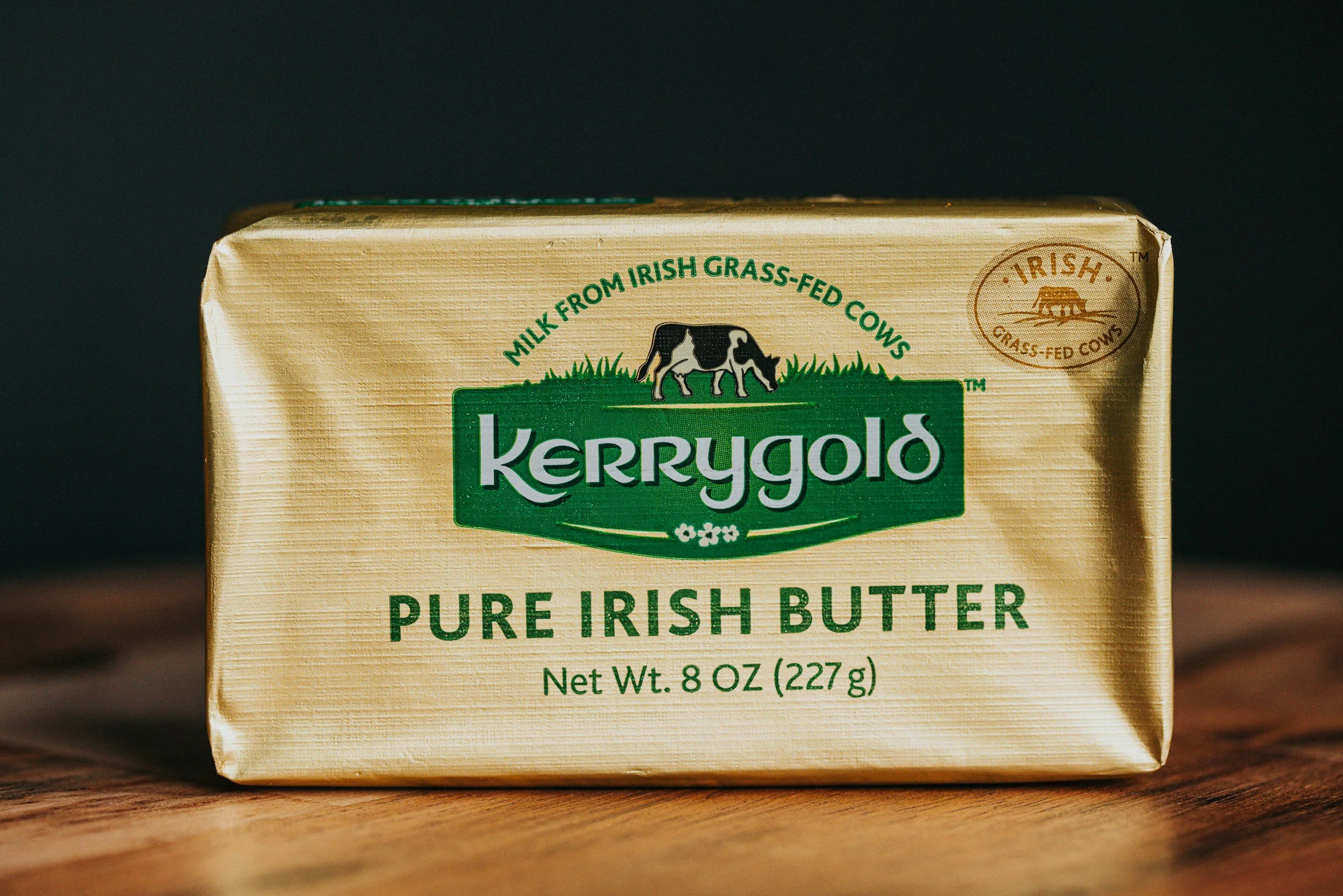
Brands often recommended:
Kerrygold
Vital Farms
Organic Valley Grassmilk
The Bottom Line
Is butter a health food? Butter can absolutely be part of a healthy diet, especially when:
Used in moderation
Paired with whole foods
You choose high-quality sources
Balanced with other fats like olive oil, avocado, nuts, seeds, and omega 3’s
Just like any fat, context matters. Butter isn’t a miracle food and may not even be a superfood but it is more than just an artery-clogging villain.
Real-life nutrition is messier and more nuanced than single nutrient-outcomes. We don’t eat nutrients in isolation. We eat foods. And foods behave differently depending on quality, quantity, and context.
Butter is a traditional, minimally processed fat that can fit into a healthy diet, especially when sourced well, used intentionally, balanced, and eaten as part of a nutrient-dense pattern. If butter still feels uncomfortable for you, that’s okay. But it deserves a more nuanced conversation than “good” or “bad.”
