Magnesium: The “Master Mineral” Involved in 100s of Reactions

Magnesium is one of the most important minerals in human physiology and one of the most common nutrient insufficiencies I see clinically. It’s involved in energy production, nervous system regulation, muscle function, blood sugar control, hormone health, detoxification, sleep, stress resilience, and more.
About 50–60% of magnesium is stored in bone, most of the rest is intracellular (inside cells), and <1% circulates in blood — which is one reason testing can be tricky.
What Magnesium Actually Does in the Body
Magnesium acts as:
A structural mineral
An electrolyte
A cofactor for enzymatic reactions
A regulator of ion channels
A stabilizer for ATP (energy currency)
It participates in 300–600+ enzymatic reactions depending on how they’re counted.
Major Physiologic Roles
Energy Production (ATP)
Magnesium is deeply involved in cellular energy production. Every cell in the body relies on ATP (adenosine triphosphate) for energy, but ATP is only biologically active when bound to magnesium — meaning the body primarily uses Mg-ATP. Magnesium acts as a cofactor for many enzymes involved in glycolysis, the Krebs cycle, and oxidative phosphorylation within the mitochondria. Without adequate magnesium, energy production becomes less efficient, which may contribute to fatigue, poor exercise tolerance, muscle weakness, and impaired recovery. This is one reason magnesium is so important in athletes, individuals under chronic stress, and people with mitochondrial dysfunction patterns on testing such as an Organic Acids Testing.
Nervous System Regulation
Magnesium plays a critical role in regulating the nervous system and maintaining a healthy balance between stimulation and relaxation. It helps modulate NMDA receptors, which are involved in excitatory signaling in the brain, while also supporting GABA activity, the body’s primary calming neurotransmitter pathway. Magnesium additionally helps regulate calcium movement into nerve cells, preventing excessive neuronal firing and overstimulation. Clinically, low magnesium often presents as a “wired but tired” state — individuals may feel anxious, restless, tense, overstimulated, or have difficulty relaxing and sleeping despite exhaustion. Chronic stress itself can increase magnesium excretion through the urine, creating a cycle where stress depletes magnesium and low magnesium worsens stress resilience.
Blood Sugar & Insulin Sensitivity
Magnesium is essential for healthy glucose metabolism and insulin signaling. It acts as a cofactor for enzymes involved in carbohydrate metabolism and helps insulin effectively transport glucose into cells. When magnesium levels are insufficient, insulin sensitivity may decline, contributing to elevated blood sugar, increased insulin production, and greater risk for metabolic dysfunction. This relationship is especially relevant in conditions such as insulin resistance, prediabetes, type 2 diabetes, and Polycystic Ovary Syndrome (now called Polyendocrine Metabolic Ovarian Syndrome). Blood sugar dysregulation can also increase urinary magnesium losses, meaning individuals with higher insulin levels or frequent blood sugar swings often have increased magnesium requirements.
Muscle Function
Magnesium is essential for proper muscle contraction and relaxation. Calcium stimulates muscle contraction, while magnesium helps muscles relax afterward, so the balance between these minerals is critical for normal neuromuscular function. Inadequate magnesium may contribute to muscle cramps, twitching, tension, headaches, jaw clenching, restless legs, or exercise-related tightness and soreness. Magnesium also supports electrolyte balance and hydration status, making it particularly important for athletes, endurance runners, individuals who sweat heavily, and people engaging in frequent sauna use or intense exercise.
Cardiovascular Health
Magnesium has wide-ranging effects on cardiovascular function. It helps regulate heart rhythm, vascular tone, blood pressure, and electrical conduction within the heart muscle. Magnesium works closely with other electrolytes, particularly potassium, sodium, and calcium, to maintain normal cardiac function. Low magnesium levels may contribute to palpitations, arrhythmias, elevated blood pressure, and vascular constriction. Magnesium additionally supports nitric oxide production and healthy blood vessel relaxation, which may benefit circulation and cardiovascular resilience overall.
Hormones & Reproductive Health
Magnesium is involved in multiple aspects of hormone regulation and reproductive health. It supports the stress response system, influences thyroid hormone conversion, and is required for activation of vitamin D. Magnesium also participates in estrogen metabolism and cellular signaling pathways involved in ovulation and hormone balance. Increased magnesium needs are often seen during pregnancy, breastfeeding, chronic stress, PMS, infertility support, and metabolic hormone conditions such as PCOS/PMOS. Clinically, adequate magnesium status may support sleep, mood, muscle relaxation, bowel regularity, and nervous system regulation during pregnancy and postpartum recovery as well.
Detoxification & Antioxidant Support
Magnesium is important for many detoxification and antioxidant pathways within the body. It serves as a cofactor for enzymes involved in glutathione production, sulfation, and phase II liver detoxification processes. Magnesium also helps stabilize cell membranes and reduce oxidative stress at the mitochondrial level. Low magnesium status may impair the body’s ability to neutralize reactive oxygen species and can contribute to inflammation, fatigue, and increased sensitivity to physiologic stressors. Because magnesium is so interconnected with energy production and antioxidant systems, deficiency often overlaps with signs of oxidative stress and impaired recovery.
Recommended Daily Intake
RDA (General Population)
Adult women: 310–320 mg/day
Adult men: 400–420 mg/day
Pregnancy: 350–360 mg/day
Lactation: 310–320 mg/day
But true optimal intake is often higher due to:
Soil depletion
Stress
Processed food intake
Medication use
Sweat losses
Blood sugar dysregulation
Clinically, many people likely benefit from:
~400–600 mg/day total intake from food + supplements
An estimate is 5-6mg/kg/day for maintenance or 7-10mg/kg/day for higher demand states. For example, if you’re a 160 lb individual, you’d likely benefit from 365-440 mg for maintenance or 500-700 mg if you’re in a high demand state.
Who Is More Likely to Need More Magnesium?
Chronic Stress
Stress hormones increase magnesium utilization and urinary excretion.
Common signs:
Anxiety
Muscle tension
Poor sleep
Fatigue
Headaches
Stress and magnesium depletion can become cyclical.
Athletes & Heavy Sweaters
Losses occur through:
Sweat
Increased metabolic demand
Muscle repair needs
This is especially relevant for:
Endurance athletes
Sauna use
Hot yoga
Pregnancy/postpartum
Blood Sugar Dysregulation
Higher needs are common with:
Insulin resistance
Prediabetes
Diabetes
PCOS/PMOS
Hyperglycemia increases urinary magnesium loss.
GI Conditions
Absorption may be impaired in:
Celiac disease
IBD
IBS-D
SIBO
Chronic diarrhea
Low stomach acid
Pregnancy & Breastfeeding
Needs rise due to:
Fetal skeletal development
Increased blood volume
Nervous system demands
Magnesium is often used to support:
Constipation
Sleep
Leg cramps
Headaches
Blood pressure regulation
Medication-Induced Depletion
Common culprits:
PPIs (omeprazole, etc.)
Diuretics
Oral contraceptives
Some antibiotics
Metformin
SSRIs (possible association)
Magnesium & Organic Acid Testing (OAT)
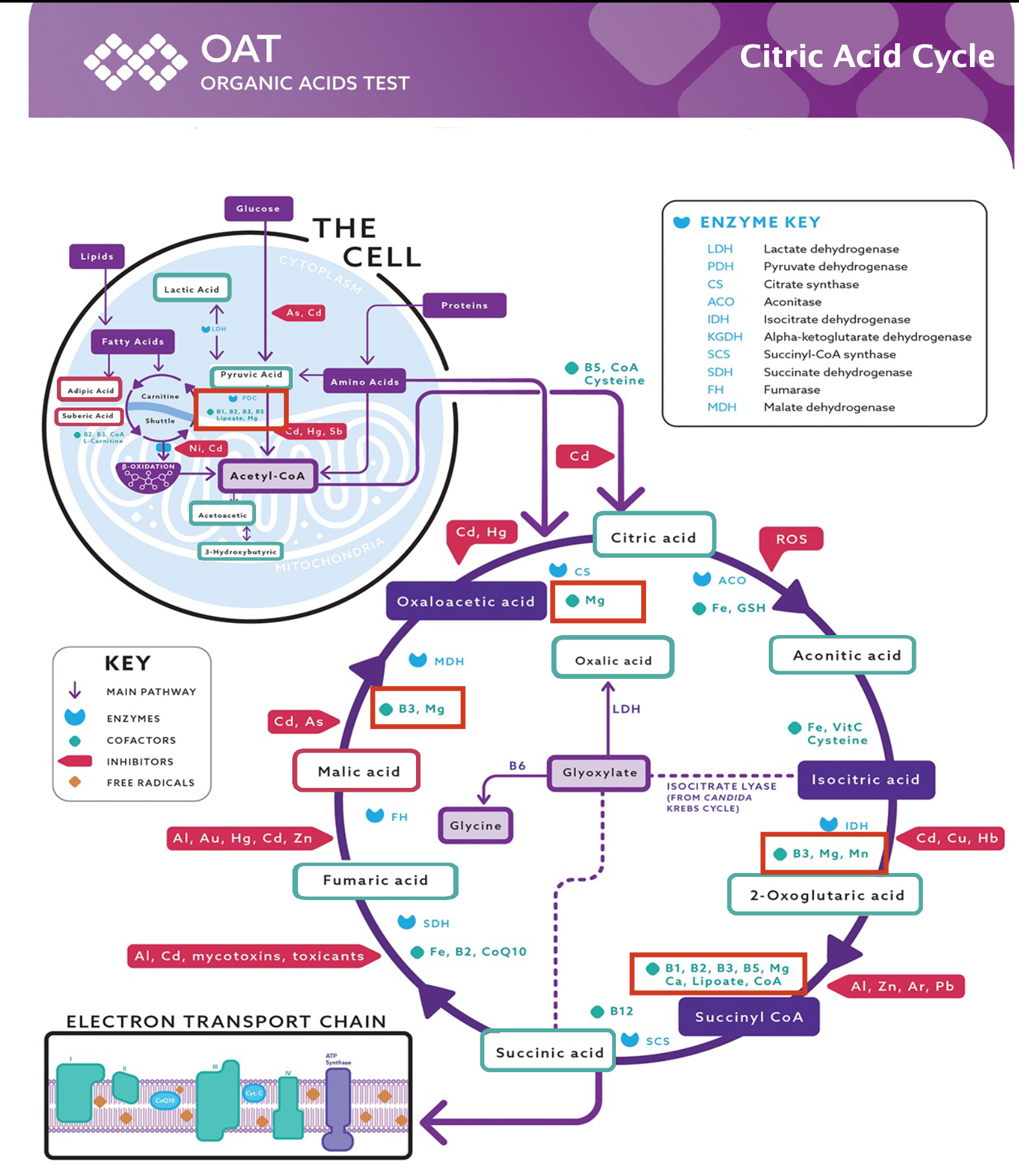
Certain OAT markers can suggest increased magnesium need or functional insufficiency.
Potential clues include:
Elevated lactate or pyruvate → mitochondrial stress
Elevated quinolinate → excitotoxicity/inflammation
Oxalates → may correlate with low magnesium intake
High beta-hydroxybutyrate → increased mineral demand during ketosis/undereating
Elevated markers of oxidative stress
Magnesium is also essential for:
Krebs cycle enzymes
ATP production
Detoxification pathways
So mitochondrial dysfunction patterns often increase suspicion for magnesium insufficiency.
This image is showing the Citric Acid Cycle / Krebs Cycle with red boxes highlighting the steps magnesium is involved in.
Food Sources of Magnesium
Highest Magnesium Foods
Pumpkin seeds (1 oz) ~150–170 mg
Chia seeds ~110 mg
Almonds (1 oz) ~80 mg
Spinach cooked (1 cup) ~150 mg
Black beans (1 cup) ~120 mg
Dark chocolate ~65 mg
Cashews ~75 mg
Avocado ~60 mg
Salmon ~25–30 mg
Mineral water variable
General Themes
Magnesium-rich foods are usually:
Nuts
Seeds
Legumes
Dark leafy greens
Whole grains
Cacao
Refined foods are usually low in magnesium.
Best Ways to Test Magnesium
Testing magnesium is imperfect because most magnesium is intracellular.
1. Serum Magnesium
Serum magnesium is the most commonly ordered conventional lab, but it is also one of the least sensitive ways to assess overall magnesium status. Since the body tightly regulates blood magnesium levels, serum values may remain within range even when tissue stores are depleted.
Conventional range often: ~1.7–2.2 mg/dL
Many functional practitioners prefer: ~2.0–2.2 mg/dL
Serum magnesium can still be helpful for identifying severe deficiency, acute electrolyte disturbances, or significant renal issues, but it is less useful for detecting chronic, subclinical insufficiency.
2. RBC Magnesium
Red blood cell (RBC) magnesium is generally considered a more useful functional marker because it measures intracellular magnesium levels rather than what is simply circulating in the bloodstream. Since magnesium primarily exists inside cells, RBC magnesium may better reflect longer-term tissue status and body reserves. Functional practitioners often use this test clinically when evaluating symptoms such as fatigue, muscle tension, headaches, constipation, anxiety, sleep disturbances, or chronic stress patterns.
While optimal ranges vary slightly between labs, many practitioners prefer to see RBC magnesium in the upper half of the reference range, often around 5.5–6.5 mg/dL.
3. Magnesium on HTMA
Hair Tissue Mineral Analysis provides a different perspective on magnesium status by evaluating mineral patterns over a longer period of time. Rather than acting as a direct “deficiency test,” HTMA can offer insight into broader mineral relationships, stress physiology, metabolic patterns, and electrolyte balance.
Magnesium is often interpreted alongside calcium, sodium, and potassium to assess nervous system activity, adrenal stress patterns, and mineral retention or depletion trends.
Interpretation can be nuanced, however, because low hair magnesium does not always mean low body magnesium, and some individuals may exhibit “retention patterns” where magnesium appears elevated in hair despite intracellular deficiency. For this reason, HTMA is often most valuable when interpreted as part of a larger clinical picture rather than in isolation.
4. Organic Acids Testing
Organic Acids Testing (OAT) does not directly measure magnesium, but it can provide indirect clues about increased magnesium demand or functional insufficiency. Since magnesium is heavily involved in mitochondrial energy production, neurotransmitter balance, detoxification, and oxidative stress regulation, certain metabolic patterns on an OAT may suggest higher magnesium needs.
For example, elevations in markers related to mitochondrial dysfunction, oxidative stress, excitotoxicity, or impaired carbohydrate metabolism can all increase suspicion for magnesium insufficiency.
OATs are therefore best viewed as a tool for assessing functional demand rather than confirming magnesium deficiency itself.
5. Magnesium Loading Test
A magnesium loading or retention test is considered one of the more accurate methods for assessing total body magnesium status, though it is rarely used in routine clinical practice. In this test, magnesium is administered intravenously and urinary excretion is measured afterward. Individuals who retain a large percentage of the administered magnesium are thought to have lower body stores and greater deficiency. While this approach can provide valuable information, it is primarily used in research settings or specialized clinical environments due to cost and practicality.
Signs & Symptoms of Magnesium Deficiency
Early/Subtle Signs
Fatigue
Anxiety
Irritability
Poor sleep
Muscle tightness
Constipation
PMS
Headaches
Eye twitching
Sugar cravings
Exercise intolerance
More Severe Deficiency
Palpitations
Arrhythmias
Tremors
Numbness/tingling
Severe muscle cramps
Hypertension
Seizures (extreme)
Magnesium Supplement Forms
Not all magnesium supplements are created equal. Magnesium must be bound to another compound in order to be absorbed and utilized by the body, and the form it’s attached to can influence absorption, tolerability, and clinical effects. Some forms are better for constipation, others are more calming for the nervous system, while others may be used to support energy production, cognition, or cardiovascular health. The “best” form often depends on the individual’s symptoms, digestive tolerance, and goals.

Magnesium Glycinate
Magnesium glycinate is one of the most commonly recommended and well-tolerated forms of magnesium. In this form, magnesium is bound to glycine, an amino acid that also has calming effects on the nervous system. Because of this, magnesium glycinate is frequently used to support relaxation, sleep quality, stress resilience, anxiety, muscle tension, headaches, and PMS symptoms. It tends to be gentle on digestion and is less likely to cause loose stools compared to other forms, making it a good option for individuals with sensitive GI systems or those who do not need constipation support.
Typical supplemental doses range from about 200–400 mg of elemental magnesium daily, though needs vary by person.

Magnesium Citrate
Magnesium citrate is magnesium bound to citric acid and is one of the more commonly available forms. It is generally well absorbed and has a more noticeable osmotic effect in the intestines, meaning it pulls water into the bowel and can help promote regularity. Because of this, magnesium citrate is often used for constipation support in addition to general magnesium replenishment. Some individuals tolerate it very well, while others may experience loose stools or GI urgency at higher doses. It can be particularly useful for people dealing with constipation, sluggish digestion, travel-related bowel changes, or increased muscle tension alongside reduced bowel motility.
Magnesium Malate
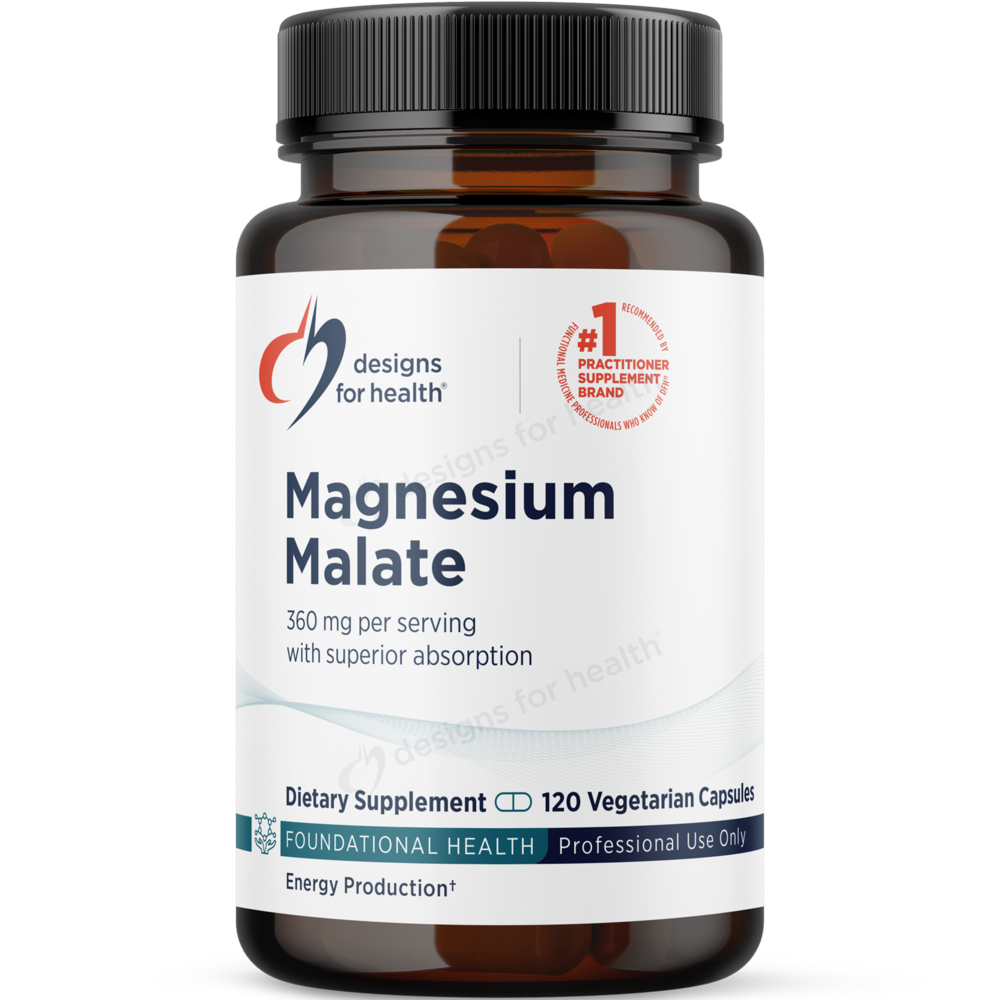
Magnesium malate is bound to malic acid, a compound involved in mitochondrial energy production and the Krebs cycle. Clinically, this form is often used in individuals experiencing fatigue, muscle soreness, exercise intolerance, or fibromyalgia-type symptoms. Some people find magnesium malate feels slightly more energizing compared to glycinate, making it a popular option for daytime use or for athletes and highly active individuals. Because magnesium plays such an important role in ATP production, this form is often favored when mitochondrial support or physical recovery is a primary goal.

Magnesium Threonate
Magnesium threonate is a newer form that has gained attention for its potential effects on brain health and cognition. It is bound to threonic acid and may cross the blood-brain barrier more effectively than some other forms, which is why it is often marketed for cognitive support, memory, focus, and neurological health. While it may have unique neurologic benefits, magnesium threonate contains less elemental magnesium than many other forms, so it is not always the best option if the primary goal is correcting a broader magnesium deficiency. It is often used more strategically for brain-focused support.

Magnesium Taurate
Magnesium taurate combines magnesium with taurine, an amino acid involved in cardiovascular, nervous system, and electrolyte regulation. This form is often used to support heart rhythm, blood pressure, nervous system calmness, and stress resilience. Because both magnesium and taurine help regulate excitability within the cardiovascular and nervous systems, magnesium taurate may be especially helpful for individuals experiencing palpitations, elevated stress, or cardiovascular concerns.

Magnesium Oxide
Magnesium oxide is one of the least expensive and most widely available forms, but it is also one of the more poorly absorbed forms of magnesium. Because of its lower absorption and stronger laxative effect, it is more commonly used for constipation relief than for correcting magnesium deficiency. Many over-the-counter magnesium supplements contain oxide because it is inexpensive and provides a large amount of elemental magnesium on paper, though much of it may not be well utilized by the body. For someone looking to meaningfully improve magnesium status, other forms are often preferred.

Magnesium Chloride
Magnesium chloride is reasonably well absorbed and is commonly found in both oral supplements and topical products such as sprays, oils, lotions, and bath flakes. Oral magnesium chloride may support general magnesium replenishment, while topical forms are often used for muscle soreness, cramps, or relaxation. Evidence on transdermal magnesium absorption is somewhat mixed in the research, but many individuals report subjective benefits from topical use, particularly for muscle tension and recovery support.

Magnesium Sulfate
Magnesium sulfate is best known as Epsom salt. It is commonly used in baths to support relaxation, muscle soreness, and recovery. Intravenous magnesium sulfate is also used medically in certain acute situations, such as severe magnesium deficiency, arrhythmias, migraines, or pregnancy-related complications like preeclampsia. Oral magnesium sulfate is less commonly used long-term because it has a strong laxative effect.
Magnesium Aspartate
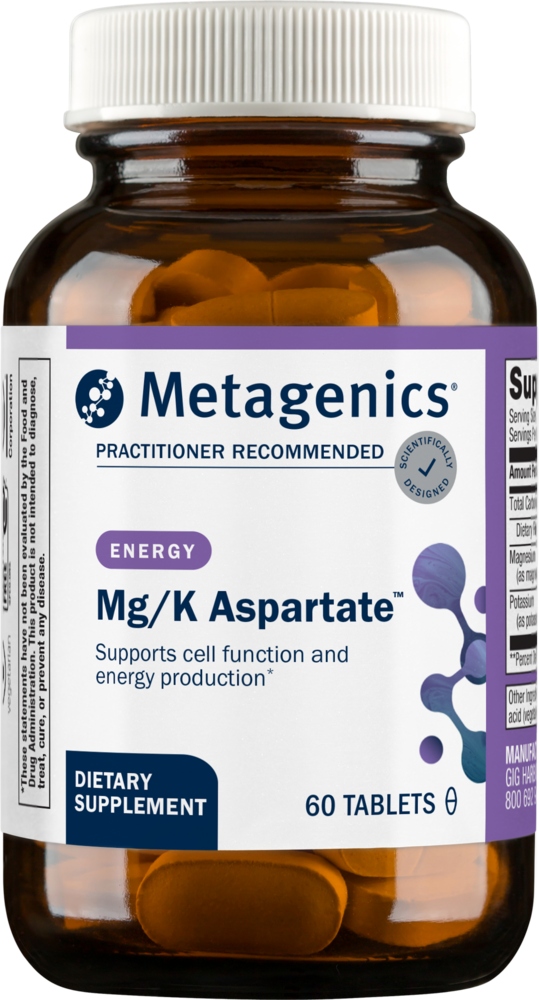
Magnesium aspartate is magnesium bound to aspartic acid, another amino acid involved in cellular energy production. It is generally well absorbed and is sometimes included in electrolyte or sports recovery formulas. Some individuals may find it more stimulating due to aspartate’s role as an excitatory neurotransmitter, so it may not be the best choice for people who are highly anxious, sensitive, or struggling with insomnia.

Magnesium Orotate
Magnesium orotate is a less common form sometimes used in cardiovascular and athletic performance settings. Orotic acid plays a role in nucleotide synthesis and cellular energy metabolism, and some research has explored its potential role in heart health and exercise recovery. It tends to be more expensive and is used less commonly than glycinate, citrate, or malate.

Choosing the Right Form
The best magnesium form often depends on the primary symptom picture:
Stress, anxiety, sleep: Glycinate, taurate
Constipation: Citrate, oxide
Fatigue, exercise recovery: Malate, aspartate
Brain/cognitive support: Threonate
Cardiovascular support: Taurate, orotate
Muscle soreness/tension: Glycinate, chloride, sulfate
Sensitive digestion: Glycinate
A Note on Elemental Magnesium
One important detail with magnesium supplements is the concept of “elemental magnesium.” The total weight of a magnesium compound is not the same as the amount of actual magnesium provided. For example, 1,000 mg of magnesium glycinate does not equal 1,000 mg of elemental magnesium. Supplement labels usually list elemental magnesium separately, and this is the number used when determining intake and dosing.
General Dosing Considerations
Many individuals benefit from approximately 200–400 mg of supplemental elemental magnesium daily, though higher intakes may be used in certain situations depending on symptoms, diet, activity level, pregnancy, stress load, or blood sugar regulation. Because magnesium can loosen stools, many practitioners recommend starting with a lower dose and increasing gradually based on tolerance and symptom response.
Some people also tolerate magnesium better when:
Taken with food
Split into two doses daily
Combined with supportive nutrients like potassium, sodium, and vitamin D
Ultimately, magnesium supplementation tends to work best when matched to the individual’s physiology, symptoms, and overall lifestyle rather than using a one-size-fits-all approach.
Where to Purchase Magnesium Supplements
Not all magnesium supplements are created equal. Many products sold on large online marketplaces may contain lower-quality forms, inaccurate labeling, unnecessary fillers, or lack third-party testing for purity and potency. Because supplement quality matters (especially with minerals like magnesium) I recommend choosing brands that prioritize evidence-based formulations and rigorous quality standards. I’ve linked my favorite practitioner-vetted magnesium supplements in my Fullscript dispensary, where you can access trusted products I personally recommend and use in practice.

Nutrients That Interact With Magnesium
Magnesium does not work in isolation. It functions as part of a larger network of minerals, electrolytes, vitamins, and metabolic pathways that constantly interact with one another. Because of this, magnesium status can influence — and be influenced by — other nutrients in the body.
In many cases, symptoms that appear to be related to magnesium deficiency may actually involve imbalances in several interconnected nutrients at once. Understanding these relationships helps explain why some people respond dramatically to magnesium supplementation while others need additional support with minerals, hydration, protein intake, or vitamin status to fully improve symptoms.
Vitamin D
Magnesium is essential for the activation and metabolism of vitamin D. The enzymes responsible for converting vitamin D into its active forms require magnesium as a cofactor, meaning low magnesium status can impair the body’s ability to properly utilize vitamin D even when intake or supplementation is adequate. This is one reason some individuals continue to have symptoms associated with low vitamin D despite taking supplements.
Interestingly, supplementing with higher doses of vitamin D can also increase magnesium demand because the body requires magnesium to process and activate it.
In clinical practice, some people experience worsening muscle tension, headaches, palpitations, anxiety, or sleep disturbances when starting vitamin D supplementation if underlying magnesium insufficiency is present.
Calcium
Magnesium and calcium work in close partnership throughout the body, particularly in muscle contraction, nervous system signaling, and bone metabolism. Calcium stimulates contraction and activation, while magnesium promotes relaxation and regulation. Maintaining an appropriate balance between the two is important because high calcium intake without sufficient magnesium may contribute to muscle tightness, constipation, headaches, vascular constriction, or increased nervous system excitability. This relationship is especially relevant with high-dose calcium supplementation or diets heavily reliant on fortified foods and dairy products without adequate magnesium-rich foods.
Magnesium also plays a role in directing calcium into bones and teeth rather than soft tissues, making it important for overall mineral balance and long-term cardiovascular and skeletal health.
Potassium
Magnesium and potassium are highly interconnected electrolytes that work together to support hydration, muscle function, nerve conduction, blood pressure regulation, and heart rhythm stability. Magnesium is required for proper potassium transport across cell membranes, which means low magnesium can make potassium deficiency difficult to correct.
Clinically, people with low magnesium may experience symptoms commonly associated with low potassium, including muscle cramps, weakness, fatigue, palpitations, or irregular heartbeat patterns.
In some cases, potassium levels may remain low despite supplementation until magnesium status is addressed first.
Sodium
Sodium and magnesium both play important roles in fluid balance, nervous system function, and adrenal physiology. Chronic low sodium intake, excessive sweating, endurance training, sauna use, dehydration, or overconsumption of plain water without electrolytes can all disrupt mineral balance and increase stress hormone activity. In these situations, magnesium alone may not fully resolve symptoms if sodium and hydration status are also inadequate.
Individuals with chronic stress, fatigue, dizziness, exercise intolerance, or low blood pressure symptoms often benefit from considering magnesium within the broader context of electrolyte balance rather than focusing on one mineral in isolation.
Vitamin B6
Vitamin B6 and magnesium frequently work together in nervous system regulation, neurotransmitter synthesis, hormone metabolism, and energy production. Some research suggests that vitamin B6 may enhance intracellular magnesium uptake, and the two are commonly paired together in supplements targeting PMS, mood regulation, stress resilience, and sleep support. Because both nutrients are involved in neurotransmitter balance and hormonal pathways, insufficiency in one may amplify symptoms related to the other.
“If magnesium is so helpful, why do I feel worse when supplementing magnesium?”

While magnesium supplementation can be incredibly beneficial, some people may initially feel worse if underlying electrolyte imbalances are present. Because magnesium works closely with sodium, potassium, calcium, and hydration status, symptoms like fatigue, dizziness, headaches, palpitations, or weakness after starting magnesium may reflect a broader mineral imbalance, inadequate electrolyte intake, dehydration, or simply taking too high of a dose too quickly.
This is one reason I often encourage clients to think about magnesium within the bigger picture of mineral and electrolyte balance rather than as a standalone supplement. Supportive habits like adequate hydration, balanced nutrition, and incorporating electrolytes can sometimes improve tolerance and effectiveness.
I personally like Redmond Re-Lyte as a simple electrolyte option because it contains a balanced blend of minerals without excessive sugar or artificial ingredients. If you’d like to try it, you can use my code ATTHEROOT for a discount.
Interesting Clinical Pearls
1. Stress Can Create a Magnesium “Drain”
Chronic emotional or physiologic stress can significantly increase magnesium utilization and urinary losses, which is one reason symptoms like muscle tension, headaches, anxiety, poor sleep, and fatigue often worsen during stressful periods.
2. Blood Sugar Swings Increase Need
Blood sugar dysregulation can further increase magnesium demand, as frequent glucose spikes and crashes — along with higher insulin levels — may increase urinary magnesium losses while also placing greater demand on mitochondrial energy production.
3. Pregnancy Is a Major Magnesium Demand State
Pregnancy is another major magnesium demand state due to the increased needs of fetal growth, maternal blood volume expansion, nervous system regulation, and muscle function.
Clinically, inadequate magnesium intake during pregnancy may contribute to symptoms such as leg cramps, headaches, constipation, sleep disturbances, and increased muscle tension, which is why magnesium is commonly used as supportive nutrition during both pregnancy and postpartum recovery.
Many “Healthy Diets” Are Still Low
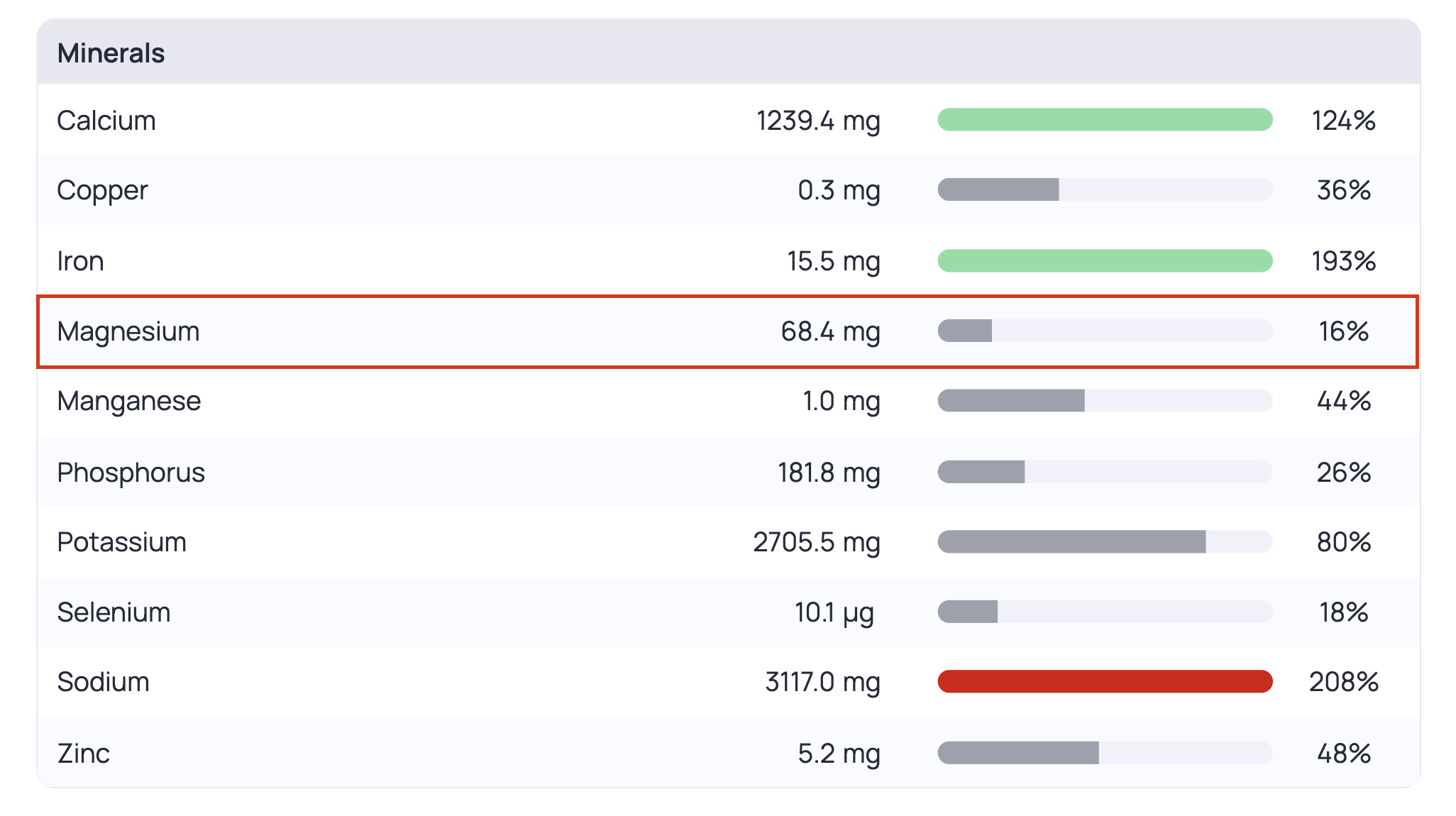
Importantly, even individuals eating what appears to be a very “healthy” diet may still fall short on magnesium intake. Long-term low-carbohydrate diets, avoidance of legumes or whole grains, low overall calorie intake, limited intake of nuts and seeds, digestive dysfunction, chronic dieting, and high stress lifestyles can all contribute to suboptimal magnesium status.
Because magnesium is involved in so many foundational physiologic processes, insufficiency can quietly impact energy production, nervous system regulation, blood sugar balance, recovery, and overall resilience long before a frank deficiency appears on standard lab work.
Practical Food-First Magnesium Strategies

Easy Daily Additions
Pumpkin seeds
Chia pudding
Mineral water
Dark leafy greens
Beans/lentils
Dark chocolate/cacao
Smoothies with hemp/chia

A High-Magnesium Meal Example
Salmon
Roasted sweet potato
Spinach salad
Pumpkin seeds
Black beans
Dark chocolate square
Could easily provide:
250–400+ mg magnesium
Ready to Take a More Personalized Approach?
If you’re struggling with symptoms like fatigue, poor sleep, headaches, muscle tension, anxiety, PMS, blood sugar swings, or chronic stress, magnesium may be one important piece of the bigger picture but true root-cause healing often requires a more individualized approach.
In my practice, I help clients uncover the underlying contributors to their symptoms through personalized nutrition, lifestyle support, functional lab interpretation, and sustainable strategies that actually fit real life.
To learn more about my services, visit www.attherootnutrition.com
If you’re interested in working together 1:1, you can schedule nutrition counseling services through this link where sessions are covered through insurance.
You can also reach out directly at kelley@attherootnutrition.com to learn more
Or connect with me on Instagram at @at.the.root.nutrition for more education, practical tips, and resources on women’s health, hormones, fertility, and functional nutrition.
